
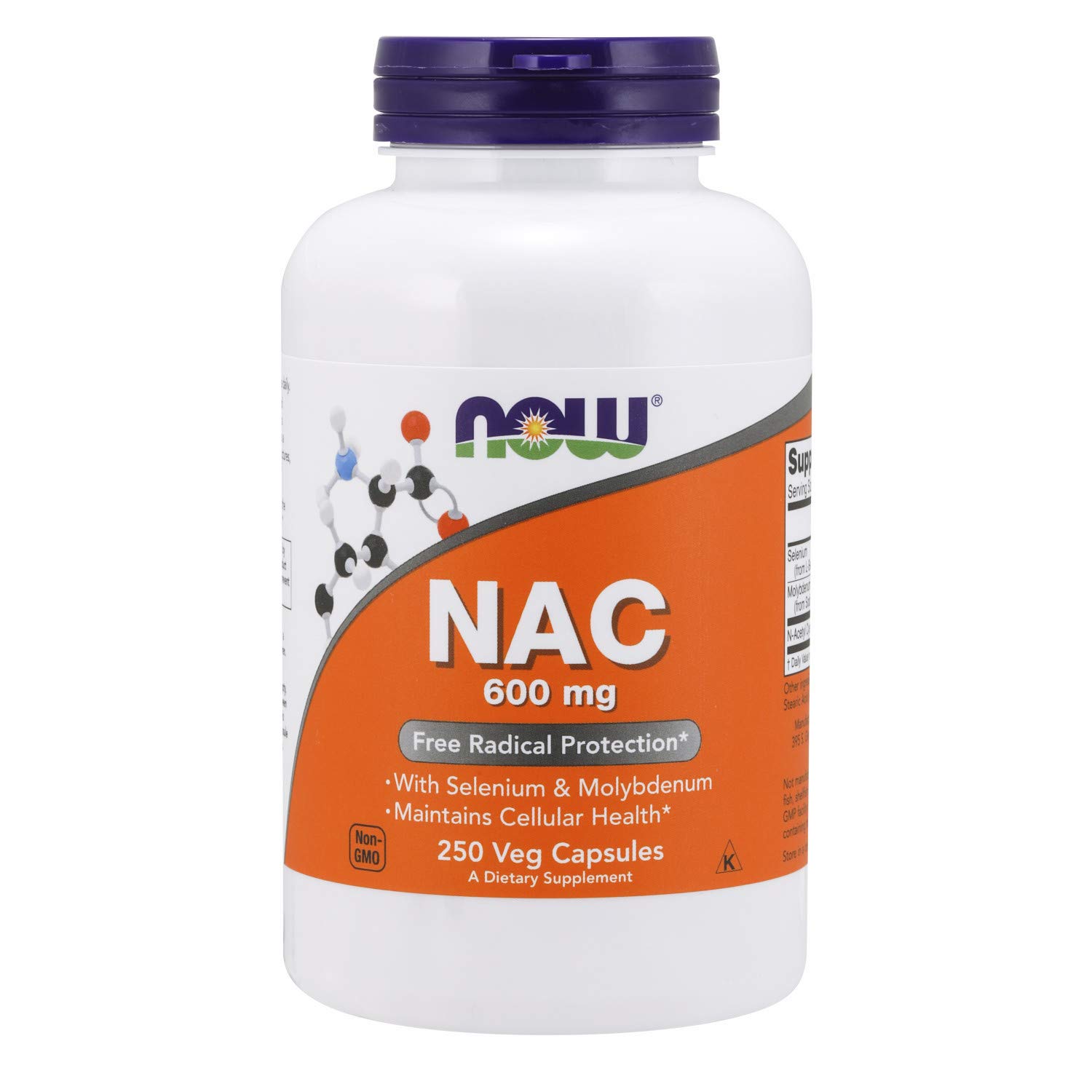
Three recent clinical studies, two about cocaine addiction and one about compulsive gambling, examine the role of a simple amino acid in the normalizing brain chemistry of those with addiction. Drug addiction and various forms of pathological gambling has widely ruined personal finances, family cohesiveness and health. Relapse rates are extremely high. These studies offer much hope for an inexpensive, non-toxic option for healing.
N-acetylcysteine, a form of the sulfur-containing amino acid cysteine is a precursor to the brain neurotransmitter glutamate. There is observational evidence that low levels of glutamate in the brain will increase compulsive and addictive behaviors and intensify cravings. Taking NAC by mouth has been shown to increase glutamate concentrations in the regions of the brain (the nucleus accumbens) which, when low in glutamate, promotes addictive behavior.
In the first study, 15 volunteers with a history of cocaine addiction received either 600 mg of NAC
or placebo every 12 hours for 2 days. The test subjects taking NAC were significantly less likely to scan the internet for cocaine-related news than those on placebo, and the NAC group also revealed in a questionnaire an impressive reduction in cocaine craving (1).
A second study conducted by the same investigators, gave 23 cocaine addicts who were seeking treatment 600, 1200, or 1800 mg of NAC twice daily for 4 weeks. Sixteen patients completed this study and cocaine use dropped dramatically. The amount of NAC didn't seem to matter, and no side effects were noted. Before seeking help, the 16 patients who stuck with the 4 week program, on average, decreased their cocaine use from 8 days out of the month before starting the NAC, to only 1 day during the month taking NAC (2).
This sounds great (85% reduction in cocaine use) but keep in mind that these patients sought treatment. The will to arrest a destructive behavior is key to successful therapy. NAC may help correct brain chemistry, for less than $2 per day, and cement the desire to quit with the ability to
modify behavior.
The third study looked at offering up to 1800 mg daily of NAC to those wanting to relieve themselves of their addiction to gambling. A positive response to treatment was defined as at least a 30% decrease in parameters measured by a tool called "Yale Brown Obsessive Compulsive Scale Modified for Pathological Gambling." The average effective dose of NAC was 1500 mg daily. Sixteen gamblers completed the study and their scores improved 42% (3).
Earlier studies have suggested that there is a biochemical component to addiction. The beneficial effects of glutamine, B vitamins, lithium, and dietary modifications have been shown for people addicted to alcohol. The field of optimizing brain chemistry is in its infancy. Hopefully future research will continue to focus on safe, natural, inexpensive and effective nutrients to provide much-needed help for the millions of people who want to quit, but haven't yet.
Important Plant-based Dietary Considerations for Bodies Ravaged by Drug Addiction 
- Eat a well-balanced diet – A healthy, balanced diet “with lots of fresh vegetables, including green leafy ones, avocados, and nuts” can help people in recovery get the vitamins and minerals they need,” states Dr. Adrienne Youdim, medical director of the Center for Weight Loss and Nutrition at the Lasky Clinic in Beverly Hills, California. Some people may also need vitamin and mineral supplements, which is something they can talk about with their physician or nutritionist.
- Focus mostly on easily digestible foods – “Drug addicts – particularly opioid abusers – often suffer from gastrointestinal distress,” notes Aimee Noel, clinical director at Sober College. Opioid abusers often develop constipation. Then, when they stop using drugs, they often suffer from diarrhea and nausea. Easily digestible foods, such as vegetables and fruits (high in fiber)are good for substance abusers who have gastrointestinal problems.
- Establish a healthy eating regimen –“It’s critical for people in early recovery to develop a foundation of good eating,” says Beth Kane-Davidson, director of the Addiction Treatment Center at Suburban Hospital in Bethesda, Maryland. “People who’ve been abusing alcohol and other drugs often haven’t been practicing nutritional eating habits. They need to build up their physical defenses, their whole foundation of health. The importance of overall strength and health in recovery can’t be overstated.” Newly sober people should try to not only eat healthy foods but get in the habit of eating at regular times and make that a normal part of their daily routine.4
References:
1. LaRowe SD, Myrick H, Hedden S, Mardikian P, Saladin M, McRae A, et al. Is cocaine desire reduced by N-acetylcysteine? Am J Psychiatry 2007;164:1115-1117.
2. Mardikian PN, LaRowe SD, Hedden S, Kalivas PW, Malcolm RJ. An open-label trial of N-acetylcysteine for the treatment of cocaine dependence: a pilot study. Prog Neuropsychopharmacol Biol Psychiatry 2007;31:389-394.
3. Grant JE, Kim SW, Odlaug BL. N-Acetyl cysteine, a glutamate-modulating agent, in the treatment of pathological gambling: a pilot study. Biol Psychiatry 2007;62:652-657.
4. 4. “Considering a Vegetarian Diet: Is Meat-Free Really Better?”, Harvard Health Publications, Harvard Medical School, http://www.health.harvard.edu/staying-healthy/considering-a-vegetarian-diet-is-meat-free-really-better, (June 18, 2015).