
This Article is based on Lecture given by Dr. AbazarHabibinia, MD, Director of CAASN (Canadian Academy of Sports Nutrition)
First, everyone needs to Understand How our Immune System Works. 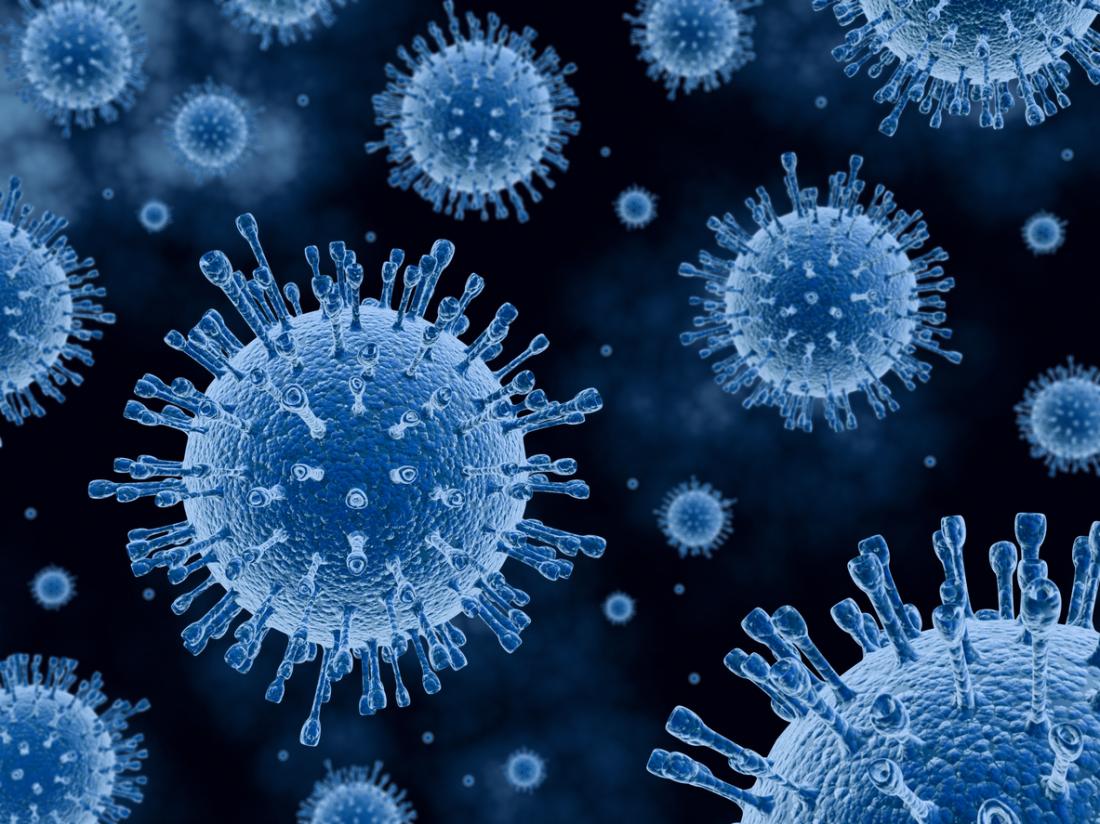
Your immune system is very fascinating, interesting, and complex.
Components of the Immune System:
- Thymus
- Lymphatic system
- Spleen
- Probiotics
- WBCs consist of:
- Neutrophils 62%
- Lymphocytes 30%
- Monocytes 5.3%
- Eosinophils 2.3%
- Basophils 0.3 %
- Others 0.1 % (such as plasma cells)
Now, if you have been exposed to bacteria or a virus and you have the agent in your body, let us look at how your immune system will work to protect you.
Lines of Defense: Your immune system is essentially going to have different layers of defense against the micro germs.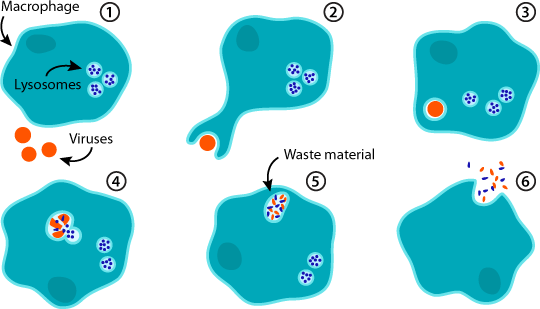
1. Tissue Macrophages – they are a type of WBCs, end-stage monocyte. Monocytes leave the blood and go into different tissuesin the brain, the heart, the liver, the lung. Then they are called macrophages. Their job in the tissues is called phagocytosis because they eat up the offending germ agent. Their function is very important to save someone’s life. They can start in very few minutes.
2. Neutrophil invasion: Neutrophils are circulating in the blood. As the second line of defense, they rush to the area to aid the macrophages. It starts in one hour or so. While neutrophils and macrophages are fighting the invasion, then comes the third line of defense.
3. Monocyte invasion: More monocytes rush to the area to convert to macrophages to eat up the offending invader.
4. Bone marrow: Your bone marrow is going to increase the production of white blood cells (WBCs). It takes the bone marrow typically 3-4 days to produce more white blood cells. Bone marrow can increase the production of WBCs 20-50 times the normal production rate, depending on how serious the situation is. These are the processes or stages of defense for fighting any bacteria, viruses, or inflammations.
How to boost your immune system against viral infection?
Review: The Four Lines of Defense:
1. Tissue Macrophages
2. Neutrophil invasion
3. Monocyte invasion
4. Bone marrow increases the production of WBCs
By Following the Rule of 10 you can Increase the Functions of every Line of Defense in your Immune System:
1. Rest
2. Lots of warm liquids
3. Vit. D3 is the most important for tissue macrophages. They need lots of Vit. D to do a better job, like 10,000 IU/day. Vit. D is also available as an injection (300,000/400,000 IU) so if traveling to somewhere like China get an injection right before you travel. To boost the functioning of the monocytes so they go to the invasion area as the third line of defense, you need Vit. D also. (Take Weekly Once Vitamin D3, 60,000 UI, Available in most medical stores)
4. Zinc (sinc) mineral nutrient is the second most important for tissue macrophages. If you are low on zinc you won't have macrophages. You need 50-100 mg/day. (Must be taken after food, to avoid nausea)
5. The most important thing you can do for the Second Line of Defense (Neutrophils) is: AVOID Sugars!! Remember, sugars, sweets, and refined carbohydrates lower the function of neutrophils. Neutrophils make up 62% of your white blood cells. So eating sugars and refined carbohydrates weaken your neutrophils and also your immune system.
6. Neutrophils need a unique nutrient Vitamin C. It can boost the function of neutrophils to fight inflammation, any viral infection, and any bacterial infection. You need 3,000mg/day. (Best food sources are citrus fruits, apples, lemons, dried amla (neli) powder, etc.)
7. Neutrophils also need flavonoids to function. Flavonoids are phytonutrients that come from plants and enhance the function of Vitamin C. For flavonoids, you can take anywhere over 200 mg/day. For flavonoids, eat a variety of colored vegetables.
8. Bone marrow needs Vitamin A to boost/increase the production of WBCs. 10,000 – 20,000 IU/per day. Food sources are carrots, sweet potatoes, greens, etc.
9. Bone marrow also needs Vitamin E 800 IU/day. Food sources are nuts like sunflower seeds, almonds, peanuts, etc.
10. Bone marrow, thirdly, needs Vitamin B6, 100mg/day. Food sources are bananas, potatoes, banana stems, etc.
The above doses are for adults. They will need to be adjusted for children.
General precautions to reduce the risk of coronavirus infection:
Five General Precautions that you could take to basically decrease the risk of any viral infections including coronavirus infection.
1) Clean/Wash hands with soap and water or alcohol-based solutions.
2) Cover your nose and mouth when coughing and sneezing.
3) Avoid close contact with anyone with cold or flu-like symptoms.
4) Cook meats and eggs thoroughly. (Switch to plant-based diet)
5) Avoid Unprotected Contact with Wild animals or Farm animals.
You can view His Lecture: https://www.youtube.com/watch?v=u7YefBaeub4