
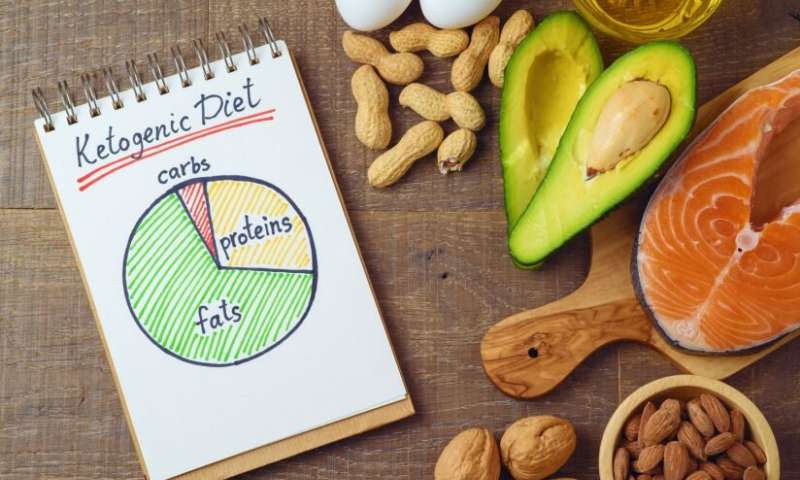
Many Fad diets often come with big promises of weight loss and optimum health, but at what risks? Dietitians say the ketogenic or keto diet, which has gained popularity in the last several years, is extremely strict and difficult to maintain. The ketogenic diet, which focuses on eating a higher ratio of fats. The keto diet is considered a low-carb, low-protein diet.
Ketosis is a metabolic adaptation to allow the body to survive in a period of famine. Your body will break down ketone bodies, a type of fuel the liver produces from fat, instead of sugar or glucose from carbohydrates.
To achieve ketosis, the diet requires you eat 75 percent of your calories from fat, compared to 20-35 percent normally. It also requires 5 percent of calories from carbohydrates, about 20-50 grams per day, and 15 percent of calories from protein.
It takes about 72 hours for ketosis to kick in.
People following the keto diet should be eating foods like fatty fish, eggs, dairy, meat, butter, oils, nuts, seeds and low-carb vegetables. “Fat bombs” like unsweetened chocolate or coconut oil can help people reach their daily goals for fat intake.
The keto diet may result in weight loss and lower blood sugars, but it’s a quick fix. “More often than not, it’s not sustainable. Oftentimes weight gain may come back, and you’ll gain more than what you lost,”
The keto diet could cause low blood pressure, kidney stones, constipation, nutrient deficiencies and an increased risk of heart disease. Strict diets like keto could also cause social isolation or disordered eating.
Every year, US News & World Report ranks the best (and worst) diets for the year ahead. This year, the ketogenic diet was once again ranked among the worst in several categories, despite its continuing popularity.